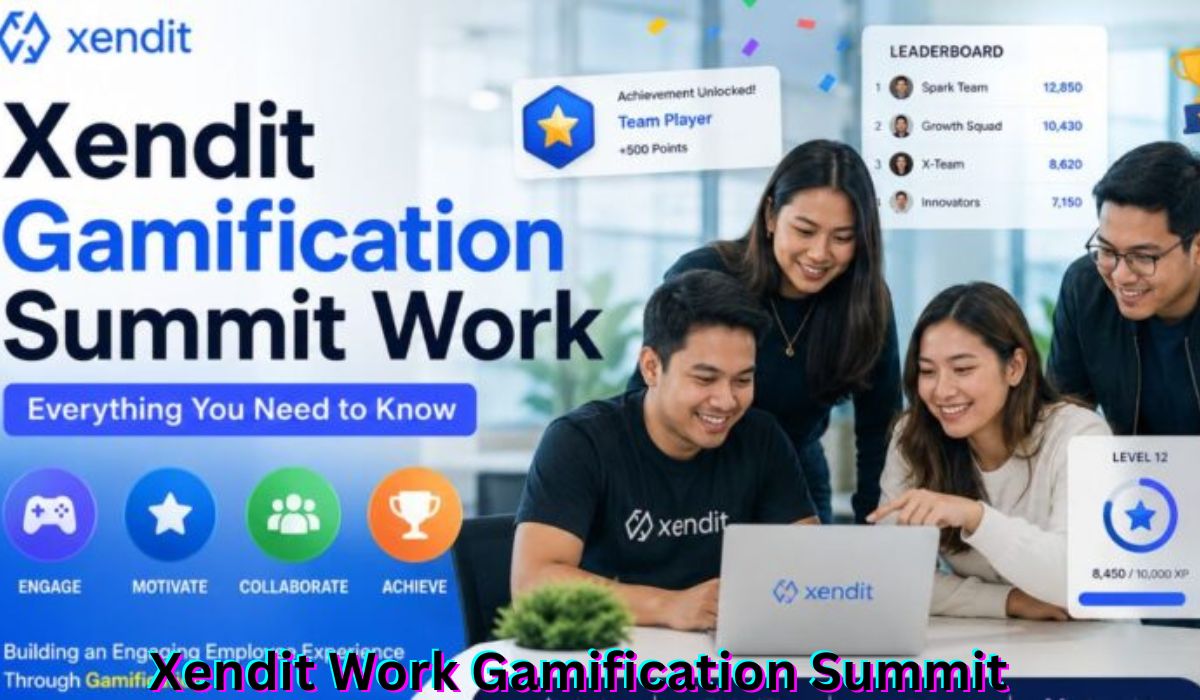
Workplaces are changing fast, and Xendit is at the center of a fresh conversation about work gamification. The Gamification summit blends fintech thinking with human motivation, showing teams how playful structure can reshape daily output without feeling forced or gimmicky.
This guide breaks down everything about the event, from core ideas to real implementation steps. Whether you’re an HR leader or a curious employee, you’ll understand why gamified work culture is becoming a serious strategy rather than a passing trend in 2026.
Why Xendit Work GamificationSummit Is Gaining Attention

Companies are tired of flat engagement numbers, so workplace gamification feels like a breath of fresh air. Employee engagement and employee productivity have become boardroom priorities, and this summit directly addresses both through practical, tested frameworks.
- Rising burnout and low employee engagement across industries
- Growing demand for fintech innovation in HR practices
- Interest in team collaboration driven by shared, game-like goals
What Is Xendit Work GamificationSummit?

Simple Definition
In plain terms, it’s an event and methodology combining workplace motivation with structured play. It teaches organizations how game mechanics like points system, leaderboards, and badges turn ordinary tasks into engaging, trackable progress.
- Focuses on measurable employee performance
- Uses recognition systems instead of pressure
- Built around real incentive programs, not gimmicks
Breaking Down the Concept
Xendit
As a fintech company, Xendit represents payment solutions and API-driven systems built for speed. Its internal culture reflects rapid scaling culture, where efficient teams matter as much as efficient code and infrastructure.
- Known for fintech infrastructure at scale
- Operates with lean, fast-moving teams
- Applies tech thinking to corporate innovation strategy
Work
“Work” here means everyday daily operations tasks, projects, and communication. It’s the raw material gamification reshapes, turning routine task management and project management into something people actually look forward to.
- Includes workplace communication and coordination
- Covers both individual and shared duties
- Forms the base layer for engagement design
Gamification Summit
This is the event-style learning experience itself, sessions, workshops, and a knowledge-sharing framework for leaders. It’s where theory becomes an implementation framework teams can actually use back at the office.
- Features keynote sessions from industry experts
- Includes practical case studies
- Delivers employee engagement strategies attendees can apply
Why Gamification Works in the Workplace
Core Game Mechanics Used
Gamification borrows from games because games naturally hold attention through progress systems and clear feedback. These mechanics tap into behavioral psychology, making effort feel rewarding instead of routine or draining.
- Points system for completed tasks
- Leaderboards for friendly competition
- Badges and milestones for recognition
- Challenges that refresh regularly
The Real Purpose of Xendit GamificationSummit Work
Key Problems It Solves
The summit targets real pain points, not surface-level fixes. It addresses employee turnover, workplace morale, and mental fatigue by rethinking how work feels day to day, not just how it’s measured.
- Reduces low employee engagement
- Fights burnout through better pacing
- Improves weak workplace communication patterns
Core Goals
At its heart, the goal is sustainable motivation, not short bursts of excitement. It aims for lasting workplace transformation through better engagement design, clearer feedback loops, and stronger team accountability.
- Boost productivity improvement long-term
- Strengthen employee retention
- Build genuine accountability across teams
Core Components of a Gamified Work System
| Component | Purpose | Example Tool |
| Engagement Systems | Keep daily interest high | Notifications, alerts |
| Reward Structures | Reinforce good behavior | Points, badges |
| Learning Systems | Build skills over time | Training challenges |
Engagement Systems
These keep people involved daily through notifications, recognition alerts, and visible performance dashboards. The goal is continuous engagement, not one-time excitement, so motivation doesn’t fade after the first week.
- Real-time alerts for milestones
- Visual progress tracking dashboards
- Consistent feedback loops throughout the day
Reward Structures
Good reward structures use tier-based achievements to keep goals fresh and reachable. They combine incentives with recognition systems, ensuring rewards feel earned rather than random or purely financial.
- Tiered rewards for consistent effort
- Mix of recognition systems and prizes
- Clear rules to avoid confusion or unfairness
Learning Systems
Learning systems turn training into an active journey through knowledge milestones and skill progression. Employees complete training challenges that build competence while still feeling like meaningful, enjoyable progress.
- Skill-based challenge levels
- Certificates for knowledge milestones
- Continuous corporate training integration
How Xendit Work GamificationSummit Actually Works
Daily Workflow Gamification
Everyday daily workflow tasks get turned into trackable actions using task completion scores. This keeps task management interesting, encouraging steady effort instead of last-minute rushes before deadlines.
- Points awarded per completed task
- Streaks for consistent daily activity
- Visual cues showing performance improvement
Team-Based Challenges
Team-based challenges build shared goals and social accountability across departments. Instead of solo competition, groups work together, strengthening team collaboration while chasing collective targets and bonuses.
- Cross-team shared goals
- Group leaderboards for departments
- Rewards tied to social accountability
Achievement Systems
Achievement systems track milestones that represent real performance excellence over time. These systems recognize consistency, not just big wins, keeping motivation steady across weeks and months.
- Milestone badges for consistency
- Recognition for performance excellence
- Long-term achievement tiers
Real-Time Feedback
Real-time feedback replaces slow annual reviews with instant, useful signals. Combined with feedback loops, employees know immediately how they’re doing, which builds confidence and faster course correction.
- Instant alerts on progress
- Manager feedback built into dashboards
- Continuous performance measurement cycles
Gamification Summit Structure (Event Perspective)
| Session Type | Focus Area | Typical Length |
| Keynotes | Industry vision | 45–60 minutes |
| Workshops | Hands-on skills | 1–2 hours |
| Case Studies | Real examples | 30 minutes |
Typical Format
Events typically mix keynote sessions, workshops, and networking breaks. This event-style learning format keeps attendees engaged across the day without overwhelming them with back-to-back lectures.
- Morning keynotes, afternoon workshops
- Networking breaks between sessions
- Interactive Q&A segments throughout
Common Topics Covered
Expect sessions on gamification system design, employee engagement strategies, and practical frameworks. Speakers also cover behavioral psychology and how fintech culture applies to broader workplace transformation efforts.
- Gamification system design workshops
- Employee engagement strategies panels
- Practical frameworks for HR teams
What Attendees Gain
Attendees leave with real-world insights, templates, and connections. It’s less theory, more implementation framework they can start testing the following week with their own teams.
- Ready-to-use engagement templates
- Network of HR and product leaders
- Confidence to run a pilot program
Key Features That Make It Unique
Continuous Engagement
Unlike one-off initiatives, this model prioritizes continuous engagement through daily touchpoints. It avoids the typical drop-off seen after a few weeks by refreshing challenges regularly and rewarding steady participation.
- Weekly refreshed challenges
- Ongoing recognition systems
- No long gaps between rewards
Team-First Design
The team-first design favors shared goals over solo glory. This nurtures team collaboration and reduces unhealthy rivalry, making the workplace feel more supportive and less individually competitive.
- Group-based scoring systems
- Shared bonuses for milestones
- Encourages workplace communication
Real-Time Tracking
Real-time tracking uses performance dashboards and behavioral analytics to show progress instantly. This transparency keeps everyone aligned and removes guesswork about where effort actually stands.
- Live dashboards for all teams
- Instant data visualization of results
- Clear visibility into output levels
Integrated Systems
The model connects with existing CRM, internal dashboards, and project management tools. This means gamification layers on top of current workflows instead of replacing them entirely.
- Works with existing CRM setups
- Syncs with internal dashboards
- Minimal disruption to current tools
Measurable Benefits of Gamification in the Workplace
| Benefit Area | Typical Impact | Measured Through |
| Productivity | Higher output levels | Task completion rates |
| Retention | Better employee loyalty | Turnover reduction |
| Onboarding | Faster onboarding | Time-to-competency |
Performance Improvements
Teams often see real performance improvement within weeks of launch. Better task completion rates and stronger productivity goals show gamification isn’t just fun, it produces measurable business results.
- Faster task completion cycles
- Clear engagement metrics improvement
- Sustained output levels over time
Workplace Benefits
Beyond numbers, teams report better workplace morale and stronger bonds. Employee retention and employee loyalty improve as people feel seen, valued, and part of something collaborative and rewarding.
- Improved employee satisfaction
- Stronger workplace recognition
- Better overall employee experience
Psychology Behind Gamified Work Systems
Intrinsic Motivation
Intrinsic motivation comes from mastery, autonomy, and purpose-driven work. Gamification taps this by giving employees visible growth paths, making effort feel personally meaningful rather than purely obligatory.
- Growth-based challenge design
- Autonomy in choosing tasks
- Clear sense of mastery
Extrinsic Motivation
Extrinsic motivation relies on incentives like rewards and public recognition. Combined carefully with intrinsic drivers, it avoids burnout while still giving people tangible reasons to push forward.
- Bonus-linked incentives
- Public recognition alerts
- Balanced reward pacing
Dopamine Loops
Dopamine loops form when small wins trigger satisfaction repeatedly. This is why points system updates and notifications feel good; they mirror reward patterns our brains already respond to.
- Small, frequent wins
- Instant notifications for progress
- Repeated positive reinforcement cycles
Technology Behind Xendit Gamification Systems
Core Technologies
The backbone includes AI-driven analytics, cloud dashboards, and API-driven systems. These technologies support smooth behavioral analytics tracking without slowing down existing digital workplace tools or workflows.
- Cloud-based performance dashboards
- API-driven systems for integration
- Secure data handling infrastructure
System Capabilities
Modern platforms offer predictive engagement, personalized experiences, and real-time behavioral analytics. This means the system adapts to individuals rather than applying one rigid structure to everyone equally.
- AI personalization for each user
- Predictive engagement scoring
- Adaptive data visualization tools
Challenges and Limitations
Common Risks
Over-gamification can backfire, creating short-term motivation instead of lasting change. Poor reward design sometimes encourages gaming the system rather than genuine performance excellence or real collaboration.
- Risk of over-gamification
- Weak reward design pitfalls
- Possible competition-driven stress
Critical Reality
Gamification isn’t a magic fix; it works best alongside solid industry best practices. Without genuine organizational culture support, even well-designed systems eventually lose their motivational power.
- Needs leadership buy-in
- Requires ongoing employee feedback
- Must evolve with organizational growth
Who Should Use This Model?
Ideal Users
This model suits fintech companies, startup founders, and HR leaders seeking measurable change. Product teams and remote organizations especially benefit from clearer engagement goals and accountability.
- Fintech companies scaling fast
- HR leaders improving retention
- Remote organizations needing structure
How to Implement a Work Gamification System
Step-by-Step Framework
Implementation works best as a gradual process rather than a sudden company-wide rollout, giving teams time to adjust naturally.
Define Goals
Start with clear productivity goals and engagement goals before choosing mechanics, ensuring the system solves a real, specific business problem.
Identify Behaviors
Pinpoint which daily behaviors actually drive results, so game mechanics reinforce meaningful actions instead of random busywork.
Design Mechanics
Choose points system, badges, or leaderboards that match your organizational culture and team personality authentically.
Launch Pilot
Test with a small pilot program first, gathering employee feedback before expanding company-wide across departments.
Measure and Improve
Track engagement metrics consistently, adjusting reward structures based on real performance metrics and honest feedback.
Real-World Use Cases
| Team Type | Gamified Focus | Key Metric |
| Sales | Commission gamification | Deals closed |
| Support | Response time | Satisfaction scores |
| Engineering | Code contribution | Bug resolution |
| Remote | Daily check-ins | Collaboration rate |
Sales Teams
Sales teams thrive with commission gamification tied to leaderboards and streaks. This keeps workplace motivation high while directly linking effort to visible, trackable revenue results.
- Leaderboard-based commission tracking
- Streak bonuses for consistency
- Team-wide shared goals
Customer Support
Support teams gamify response time and customer satisfaction scores to stay sharp. Faster replies and happier customers become visible wins, not just internal metrics buried in reports.
- Points for fast response time
- Badges for satisfaction milestones
- Team recognition for consistency
Engineering Teams
Engineers gamify bug resolution and code contribution through friendly, structured competition. This encourages cleaner code and faster fixes without sacrificing quality or long-term workplace efficiency.
- Points for bug resolution
- Recognition for code contribution
- Sprint-based challenge cycles
Remote Teams
Remote teams use daily check-ins and virtual collaboration tools to stay connected. Gamification helps replace missing office energy with structured, motivating digital interaction instead.
- Points for daily check-ins
- Virtual leaderboard visibility
- Recognition despite physical distance
Read Also This: Blog WizzyDigital Org Guide: Digital Marketing, SEO, and Growth Strategies
Future of Work Gamification

Emerging Trends
Expect deeper AI-driven analytics, more personalized experiences, and smarter predictive engagement tools. Digital transformation is pushing gamification toward fully adaptive, individualized workplace technology systems.
- Rise of AI personalization
- Smarter behavioral analytics tools
- Broader digital transformation adoption
What’s Next?
Future systems will likely blend human-centered workplace design with advanced automation. Expect stronger focus on sustainable motivation rather than flashy, short-lived incentive programs or trends.
- More human-centered workplace tools
- Emphasis on sustainable motivation
- Continued organizational growth focus
Frequently Asked Questions
What is this workplace event about?
Xendit Work Gamification Summit focuses on improving employee engagement through gamification, teamwork, learning, rewards, and workplace innovation for better business performance.
Why do companies use this workplace strategy?
Many businesses study Xendit Work Gamification Summit to motivate employees, increase productivity, improve collaboration, and create a more enjoyable work environment.
How does this approach improve employee engagement?
Xendit Work Gamification Summit encourages friendly competition, recognition, achievement tracking and continuous learning that keeps employees motivated every day.
Who can benefit from this workplace model?
Managers, HR teams, business leaders, and employees can benefit from Xendit Work Gamification Summit by building stronger teamwork and improving workplace satisfaction.
What are the main features of this concept?
Xendit Work Gamification Summit includes rewards, leaderboards, badges, team challenges, goal tracking, and performance recognition to encourage positive workplace habits.
Is this model suitable for modern businesses?
Yes, Xendit Work Gamification Summit supports modern workplaces by promoting employee participation, skill development, collaboration, and long-term organizational growth.
Why is this topic becoming more popular?
Interest in Xendit Work Gamification Summit continues growing because organizations want better employee experiences, higher engagement, improved productivity, and stronger workplace culture.
Final Thought
The Xendit Work Gamification Summit represents more than a trend; it’s a practical response to real workplace fatigue. By blending fintech innovation with behavioral psychology, it offers organizations a genuine path toward lasting employee engagement and stronger team culture.
As digital transformation reshapes how we work, gamified systems will likely become standard rather than optional. Companies that thoughtfully apply these principles, avoiding over-gamification, stand to gain real productivity improvement, better employee retention, and a genuinely motivated, connected workforce.