Ever wondered why some websites load in a blink while others crawl along like they’re stuck in traffic? The hidden culprit is often page weight, and most site owners never even check it. That’s where a proper Page Size Checker enters the picture.
If you care about website performance, search engine optimization, or simply keeping visitors happy, understanding your web page size isn’t optional anymore. This guide breaks down exactly why the Page Size Checker by Alaikas deserves a permanent spot in your SEO workflow.
Tool at a Glance
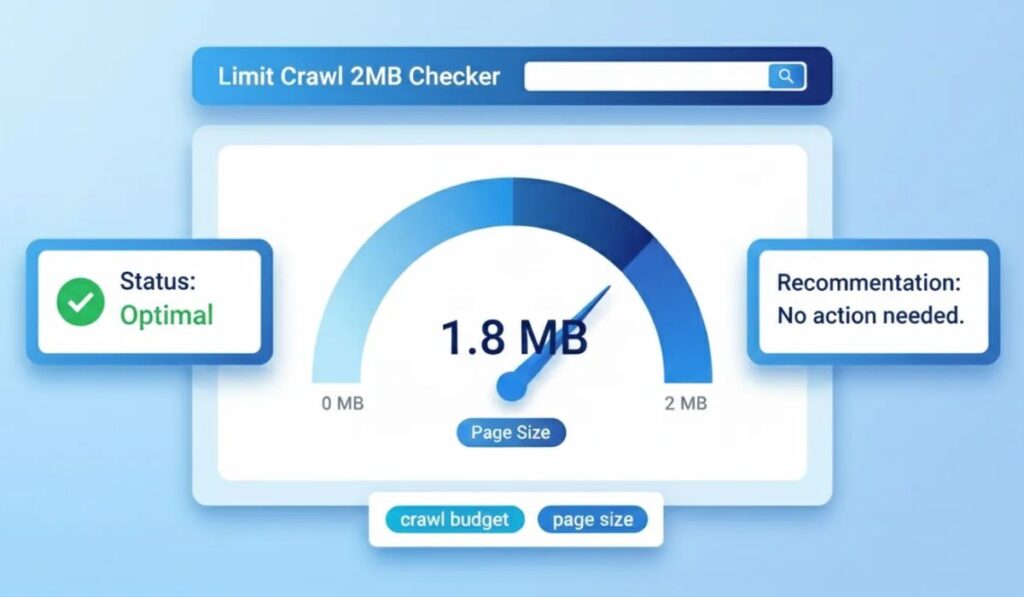
Think of this as your quick cheat sheet before diving deeper. The Page Size Checker by Alaikas is a free SEO tool built to scan any URL and return a clean page size breakdown in seconds, no downloads or sign-ups required.
It’s a lightweight, web-based tool designed for website owners, web developers, and SEO professionals alike. Below is a quick snapshot of what it offers.
| Feature | Details |
| Tool Type | Online SEO tool / URL checker |
| Cost | 100% Free |
| Output | HTML, CSS, JS, image weight breakdown |
| Best For | Website audit, performance analysis |
| Skill Level | Beginner friendly |
Why Does Your Page Size Even Matter?
Every image, script, and stylesheet adds digital weight to your site. Heavier pages mean slower load time, and slower loading speed frustrates visitors before they even see your content. That frustration often turns into a higher bounce rate.
Search engines notice this too. Google rankings favor fast-loading website experiences, making page weight a genuine ranking factor. Ignoring it quietly hurts both your user experience (UX) and your organic traffic over time.
What Exactly Is the Page Size Checker by Alaikas?
It’s a diagnostic tool that measures the total kilobytes (KB) or megabytes (MB) your webpage consumes when loading. It breaks this down by HTML structure, CSS stylesheets, JavaScript, images, and other web assets.
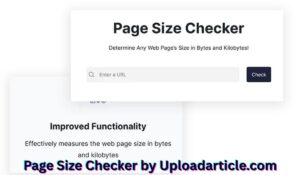
Unlike bulky software, this tool works entirely online through a simple website crawler process. You paste a URL, hit check, and receive a detailed performance analysis without technical jargon or confusing dashboards getting in your way.
How Does the Page Size Checker by Alaikas Work?
Behind the scenes, the tool triggers a mini crawl process that fetches every resource your landing pages load, from images to third-party scripts. It then tallies everything into a readable, categorized report.
The results show performance metrics for each element, helping you spot heavy files instantly. It’s similar in spirit to Google PageSpeed Insights or GTmetrix, but focused purely on file size optimization and resource optimization.
Page Size Standards: What’s Acceptable and What’s Not?
There’s no single magic number, but performance benchmarks generally suggest keeping pages under 2-3 MB for solid website speed. Anything heavier risks slower mobile user experience, especially on weaker mobile networks or spotty internet connection.
Here’s a simple reference table many SEO professionals rely on during a performance testing session.
| Page Size Range | Performance Rating |
| Under 1 MB | Excellent, very fast |
| 1–2 MB | Good, acceptable |
| 2–4 MB | Average, needs review |
| Above 4 MB | Poor, needs urgent optimization |
7 Powerful Reasons to Use the Page Size Checker by Alaikas
Beyond just curiosity, running regular checks builds a habit of performance monitoring that protects your rankings and reputation. It’s one small step that pays off across your entire optimization strategy.
Whether you manage client websites or your own blog, these seven reasons show exactly how this tool strengthens your SEO best practices and keeps your website health in check long-term.
1. It Directly Impacts Your Google Rankings
Google indexing systems weigh site speed heavily, and bloated pages fall behind. Checking your page weight regularly helps you catch issues before they damage search visibility. Smaller pages simply rank better, faster, and more consistently across competitive search engines results.
2. It Improves User Experience
Nobody enjoys waiting for a spinning wheel. A trimmer page loads instantly, keeping visitors engaged rather than frustrated. Better engagement naturally follows improved page experience, and happy visitors stick around longer, browse more pages, and return again.
3. It Saves You Money on Hosting
Heavier pages consume more bandwidth and strain your hosting plan with every visitor. Trimming unnecessary uncompressed images and scripts reduces server load significantly. Over time, this translates into real savings, especially for high-traffic online store websites.
4. It Helps You Identify Bloat
Sometimes plugins, widgets, or old footer scripts quietly pile up unnoticed. This tool exposes exactly which website components are dragging things down. It’s like a health scan for your site, revealing hidden performance issues instantly.
5. It Supports Mobile-First Indexing
Since mobile-first indexing is now standard, Google evaluates your mobile version first. A checker confirms your mobile optimization efforts are working properly. Lighter pages load faster on phones, supporting stronger responsive website performance across every device type.
6. It Boosts Core Web Vitals Scores
Core Web Vitals, especially Largest Contentful Paint (LCP), depend heavily on page weight. Reducing unnecessary resources directly improves these scores. Better vitals mean better performance score results in Google Search, giving your rankings a genuine, measurable boost.
7. It’s 100% Free
There’s zero cost barrier here. You get professional-grade website diagnostics without paying for premium software. For small businesses or solo bloggers watching budgets closely, this free SEO tool delivers enterprise-level insight at absolutely no expense.
Who Should Be Using This Tool?
Honestly, almost anyone managing a website benefits from this checker. It’s not reserved for tech experts; it’s built with webmasters of every skill level in mind, from beginners to seasoned professionals.
Below are the groups who’ll notice the biggest difference once performance optimization becomes part of their regular routine and website maintenance checklist.
Bloggers & Content Creators
Bloggers and content creators often add images and embeds without thinking twice. This tool helps them catch performance issues early, keeping articles readable and fast-loading, which matters for retaining readers and reducing frustrating bounce rate spikes.
SEO Professionals
For SEO professionals, this checker fits naturally into any SEO audit. It offers quick, shareable data for client websites, supporting recommendations around technical SEO and justifying optimization work with clear, easy-to-understand numbers.
Web Developers
Web developers use it during builds to catch bloated JS files or unminified CSS optimization opportunities early. Running checks pre-launch prevents shipping heavy pages, making it a natural fit within any pre-launch checklist routine.
E-Commerce Store Owners
E-commerce stores rely on rich product pages with multiple images, which can balloon quickly. Regular checks help e-commerce store owners maintain a lean, fast online store, protecting conversions and preventing shoppers from abandoning slow carts.
Digital Marketing Agencies
Digital marketing agencies juggle multiple client websites and campaigns, including Google Ads landing pages. A quick page size check helps protect Quality Score and ensures paid traffic lands on genuinely fast, well-optimized pages every time.
Page Size vs. Page Speed: What’s the Difference?
These terms get confused constantly, but they’re not identical. Page size refers strictly to total digital weight, while page speed measures actual loading speed experienced by real visitors under real conditions.
Heavier pages usually cause slower speeds, but server settings, browser caching, and network speed also play a role. Understanding both helps you diagnose problems accurately instead of guessing.
| Aspect | Page Size | Page Speed |
| Measures | Total file weight | Actual load time |
| Unit | KB / MB | Seconds |
| Influenced By | Images, scripts, CSS | Server, caching, network |
| Tool Example | Page Size Checker | Google PageSpeed Insights |
Common Reasons Pages Become Oversized
Bloat rarely happens overnight; it builds gradually as sites grow. Recognizing these common culprits helps you fix problems at the source rather than treating symptoms after your website performance already suffers.
Common offenders include:
- Unoptimized or uncompressed images
- Excessive third-party scripts like analytics scripts and ad networks
- Bulky embedded videos and iframes
- Unused CSS stylesheets and render-heavy JS files
- Poor font optimization choices, like unnecessary font variants
How to Reduce Your Page Size (After Checking)
Once you’ve spotted the bloat, fixing it is refreshingly straightforward. Small, consistent tweaks often produce noticeably faster websites without a complete redesign or expensive developer hours involved.
Try these proven fixes:
- Compress images using WebP or TinyPNG
- Enable browser caching and server caching
- Defer JavaScript and mark scripts async
- Remove unused chat widgets or third-party embeds
- Stick to system fonts where possible for font optimization
Expert Insight: What the Numbers Really Mean
A raw KB number means little without context. Performance analysis experts, including those referencing W3era studies, stress comparing your results against performance standards for similar site types before jumping to conclusions.
Context matters more than panic. A media-heavy homepage optimization naturally weighs more than a text blog. Focus on trends over time rather than chasing one perfect number obsessively.
Read It: Page Size Checker by Uploadarticle.com: A Simple Guide for Beginners
Comparison: Page Size Checker by Alaikas vs. Other Tools
Plenty of performance monitoring tools exist, but not all focus purely on page weight. Compared to broader platforms like Google PageSpeed Insights or GTmetrix, Alaikas keeps things refreshingly simple and focused.
Here’s how they stack up side by side.
| Tool | Primary Focus | Beginner Friendly |
| Page Size Checker by Alaikas | Page weight breakdown | Yes |
| Google PageSpeed Insights | Speed & Core Web Vitals | Moderate |
| GTmetrix | Full performance report | Moderate |
Frequently Asked Questions
What does this tool check?
Page Size Checker by Alaikas checks the total size of your webpage in seconds. It helps you identify large pages, reduce unnecessary file weight, and improve your website’s loading speed and overall performance.
Why should I test my website size?
Testing your website size helps you understand if your pages are too heavy. Page Size Checker by Alaikas makes it easy to find page size issues so you can create a faster and smoother browsing experience.
Can beginners use this tool?
Yes, anyone can use Page Size Checker by Alaikas without technical knowledge. Simply enter your webpage URL, and the tool quickly displays your page size in a clear and easy-to-read format.
Does page size affect SEO?
Yes, page size can impact website speed, which affects user experience and search rankings. Page Size Checker by Alaikas helps you keep your pages lightweight for better SEO and faster loading times.
Is this tool free to use?
Yes, Page Size Checker by Alaikas is completely free to use. You can check as many webpages as you want without creating an account or paying any fees.
How often should I check my pages?
You should check your webpage size whenever you publish new content or update your site. Page Size Checker by Alaikas helps you monitor changes and maintain fast-loading pages over time.
Can it improve website speed?
Page Size Checker by Alaikas helps improve website speed by showing how large your webpages are. Once you know the page size, you can optimize images, scripts, and other files for better performance.
Conclusion
At the end of the day, website optimization isn’t about chasing perfection; it’s about steady, informed improvement. The Page Size Checker by Alaikas gives you exactly the clarity needed to make smarter, faster decisions for your site’s future.
Whether you’re a blogger, developer, or agency professional, checking your web page size regularly protects rankings, budgets, and visitor happiness alike. It’s a small habit with genuinely outsized returns on your overall SEO tool strategy.