
If your site feels sluggish, visitors notice before you do. Google PageSpeed Insights has become the go-to website speed checker for anyone serious about website performance. This guide breaks down how it works, why it matters, and how to actually use it well.
You don’t need to be a developer to understand page speed optimization. Whether you’re a blogger, business owner, or one of many web developers chasing better rankings, this article turns confusing performance metrics into simple, actionable steps you can use today.
Article Stats at a Glance
| Metric | Detail |
| Word Count | ~2500 words |
| Reading Time | 10-12 minutes |
| Tool Covered | Google PageSpeed Insights |
| Focus Areas | Core Web Vitals, SEO, mobile performance |
| Audience | SEO professionals, website owners, bloggers |
- Covers lab data and field data
- Includes 7 practical optimization tips
- Explains Core Web Vitals report basics
Why Website Speed Is No Longer Optional
Website speed directly shapes user experience (UX), and Google has made it clear that loading performance influences visibility. Slow page load time frustrates mobile users especially, pushing them toward competitors before your homepage even finishes loading.
A poor speed audit score often means higher bounce rate, lower dwell time, and reduced conversion rate. Every second of delay can translate into lost revenue, making performance optimization a business priority, not just a technical checkbox for developers.
- Slower sites lose visitors within seconds
- Speed affects search rankings directly
- Mobile-first users are especially impatient
What Exactly Is Google Pagespeed Insights Checker Alaikas?
Think of Google PageSpeed Insights as a free website audit tool built by Google. It analyzes your page URL, then delivers a detailed performance report covering speed, structure, and optimization recommendations tailored specifically to your site.
It blends real user data from the Chrome User Experience Report (CrUX) with Google Lighthouse testing. This combination of field data and lab data gives you a fuller, more honest picture of actual website performance testing results.
- Free tool from Google
- Works for product pages, blogs, and homepages
- Uses real Chrome users behavior data
How Does Google Pagespeed Insights Work?
Using this website speed checker is refreshingly simple. You paste your website URL, hit the Analyze button, and within seconds the tool begins running both simulated and real-world testing processes behind the scenes.
Behind that simplicity sits serious engineering. Google Lighthouse simulates a slow 4G connection, while CrUX data reflects genuine Chrome users browsing patterns, giving you actionable recommendations grounded in published research rather than guesswork.
Step 1: Enter Your URL
Start by pasting your website URL into the search bar. This works for any page, whether it’s your homepage, a landing page, or individual blog posts you want checked for speed.
Step 2: Two Kinds of Data Are Collected
The tool gathers field data from real Chrome users and lab data from internal testing. Together, they reveal both actual visitor experience and controlled performance diagnostics for deeper technical accuracy.
Step 3: Core Web Vitals Are Measured
Next, Core Web Vitals like LCP, CLS, and INP get measured. These signals reflect loading speed, visual stability, and user interactions, forming the backbone of modern performance analysis standards.
Step 4: You Get Scored
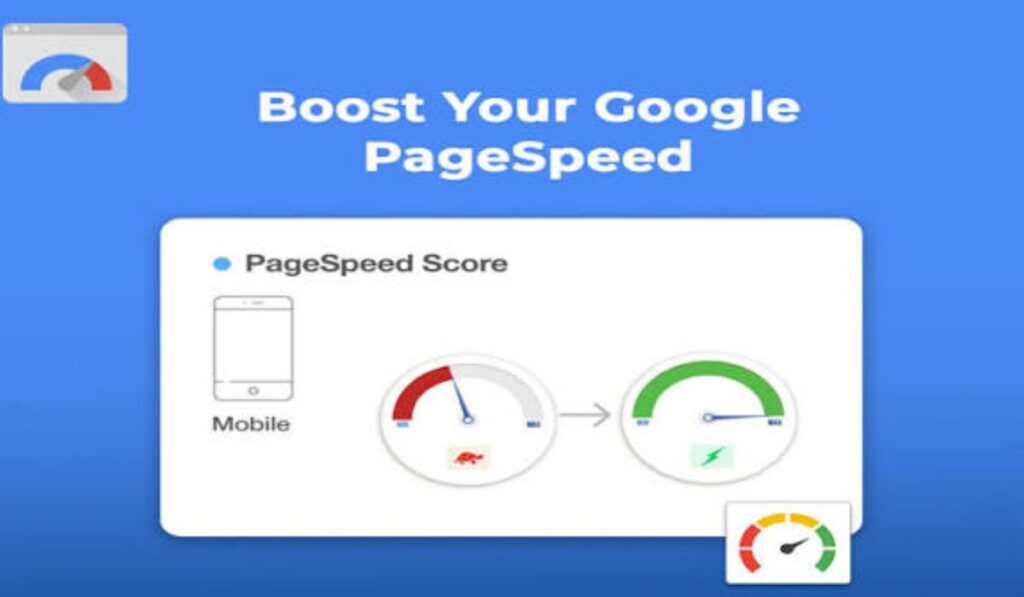
Finally, you receive a performance score between 0-100, color-coded green, orange, or red. This green score, orange score, or red score instantly tells you how your mobile performance stacks up.
7 Smart Ways to Use Google Pagespeed Insights Checker Alaikas
Running the test is easy, but interpreting it well takes strategy. These seven tips help you extract genuine value from every speed audit, turning raw data into meaningful website optimization wins.
Many website owners run the tool once and never return. Real improvement comes from repeated testing, comparing mobile score versus desktop score, and treating each report as a checkpoint in ongoing performance monitoring.
- Always test both device types
- Track scores over time, not once
- Compare results after every major update
1. Test Mobile AND Desktop Separately
Never assume one score represents both. Mobile optimization and desktop optimization differ significantly since mobile-first indexing means Google prioritizes your mobile score for search engine optimization purposes.
2. Focus on “Opportunities” First
The Opportunities section lists your biggest wins. Instead of chasing every Diagnostics flag, tackle Opportunities first since they usually offer the fastest speed improvements with minimal development effort involved.
3. Prioritize LCP and INP
Largest Contentful Paint (LCP) and Interaction to Next Paint (INP) matter most for rankings. Fixing these two ranking factor metrics often improves your overall performance score faster than chasing minor issues.
4. Compress Your Images
Uncompressed hero images slow everything down. Convert files to WebP or AVIF formats for smarter image compression. This single change dramatically improves load time without sacrificing visual quality noticeably.
5. Remove Render-Blocking Resources
Render-blocking resources like unminified JavaScript and CSS delay rendering. Deferring non-critical scripts and streamlining CSS optimization helps pages paint faster, improving both rendering speed and user experience (UX).
6. Enable Caching and a CDN
Browser caching and a Content Delivery Network (CDN) reduce server response time dramatically. Combined with lazy loading, these tweaks lower Time to First Byte (TTFB) and speed up global delivery.
7. Re-Test After Every Fix
Re-testing confirms whether changes actually helped. Always keep a backup before edits, then re-run your speed test to validate improvements and catch any new performance bottlenecks introduced accidentally.
Pagespeed Insights Score: What Affects It the Most?
Your performance score depends on multiple layered factors. Third-party scripts, hosting quality, unoptimized fonts, and heavy page size are frequent culprits dragging down otherwise well-built, content-rich websites.
Font loading strategy, script execution time, and resource optimization also matter. Choosing faster hosting and trimming unnecessary Ads or chat widgets often produces noticeably faster, more stable results.
| Factor | Impact Level |
| Hosting quality | High |
| Third-party scripts | High |
| Image optimization | Medium-High |
| Font loading strategy | Medium |
| Page size | Medium |
Google Pagespeed Insights Checker Alaikas vs. Other Speed Tools
Compared to GTmetrix, WebPageTest, and Pingdom, Google PageSpeed Insights stands out by combining official CrUX data with Lighthouse scoring. Other tools rely more heavily on simulated testing alone.
Platforms like W3era offer supplementary website benchmarking, but few integrate directly with Google Search Console the way PageSpeed Insights does, making it essential for serious SEO professionals.
| Tool | Data Source | SEO Integration |
| Google PageSpeed Insights | CrUX + Lighthouse | Direct with Search Console |
| GTmetrix | Lab-based | Limited |
| WebPageTest | Lab-based | None |
| Pingdom | Lab-based | Limited |
Common Mistakes People Make With Pagespeed Insights
Many website owners chase a perfect 100 score obsessively, ignoring real-world impact. A high performance score means little if actual mobile users still experience slow rendering or layout shifts.
Others test only their homepage, ignoring product pages and blog posts that drive traffic. Skipping re-testing after fixes is another common error that hides lingering performance bottlenecks.
- Chasing 100/100 obsessively
- Testing only the homepage
- Ignoring field data in favor of lab data
Expert Insight: What a Real Pagespeed Optimization Audit Looks Like
A genuine performance audit blends automated tools with human judgment. SEO professionals cross-check Google Lighthouse results against Search Console, prioritizing fixes that impact user experience (UX) and rankings together.
Experts rarely optimize blindly; they rely on published research and real-world testing patterns. This approach ensures optimization strategy decisions improve genuine website diagnostics, not just cosmetic score numbers.
Read It: URL Encoder and Decoder Uploadarticle.com: Best Tool for Clean and Encoded Links
How Google Pagespeed Impacts SEO Rankings
Speed is a confirmed Google ranking signals factor, especially under mobile-first indexing. Sites passing Core Web Vitals thresholds often enjoy stronger search visibility and improved website traffic over time.
Website responsiveness and visual stability shape how Google’s algorithm evaluates quality. Prioritizing Core Web Vitals isn’t optional anymore for anyone serious about long-term search rankings and organic growth.
Frequently Asked Questions
How can I test my website speed for free?
Google Pagespeed Insights Checker Alaikas checks your website speed, performance, and loading issues.It gives simple reports with tips to improve user experience and search rankings fast.
What is a good page speed score?
Google Pagespeed Insights Checker Alaikas measures your website and shows a performance score.A higher score usually means faster loading, smoother browsing, and better optimization.
How do I improve my Core Web Vitals?
Google Pagespeed Insights Checker Alaikas highlights Core Web Vitals problems clearly.
Follow its recommendations to improve loading speed, responsiveness, and visual stability.
Can website speed affect Google rankings?
Yes, Google Pagespeed Insights Checker Alaikas helps identify issues that may impact rankings. A faster website often improves user experience and supports better search visibility.
What should I fix first on my website?
Start with the biggest issues shown by Google Pagespeed Insights Checker Alaikas first.
Optimizing images, caching, and unused code can improve website performance quickly.
Is this tool useful for beginners?
Yes, Google Pagespeed Insights Checker Alaikas is easy to understand for beginners.
Its simple suggestions help anyone improve website speed without advanced technical knowledge.
Final Thoughts
In short, Google PageSpeed Insights remains one of the most trustworthy free tools for understanding site performance. From Core Web Vitals to image compression, every recommendation ties directly back to real user experience (UX) improvements.
Whether you’re running a personal blog or managing enterprise product pages, consistent performance monitoring pays off. Treat every speed audit as an opportunity, not a chore, and your search rankings will follow.